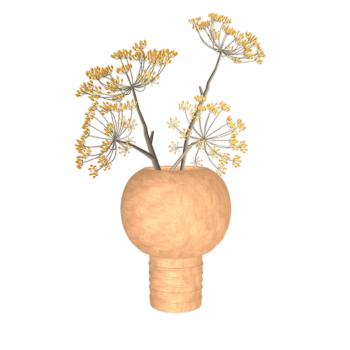
Wooden Teapot Vase

Wooden Teapot Vase

Seventeenth-century relics have field underglaze blue and blue flower vase

Seventeenth-century relics have field underglaze blue and blue flower vase

This Japanese vase, which was produced in Yoda, was from about 1670 to 1690. The material is porcelain, and the decoration uses underglaze blue and white blue. This covered vase uses the decoration process of underglaze blue and white blue, which means that before firing, a pattern is drawn with blue and white blue on the surface of the porcelain, and then fired at a high temperature to allow the color to penetrate under the glaze.
Eighteenth-century relics have field underglaze color vase

Eighteenth-century relics have field underglaze color vase

This Japanese vase, produced in Yoda, was from 1700 to 1720. The material is porcelain, and the decoration uses underglaze blue and white blue, overglaze color and gold. This covered vase is in the Imari Style.
Cloisonne enamel vase

Cloisonne enamel vase

Jingdezhen Blue and White Porcelain Cup-shaped Vase
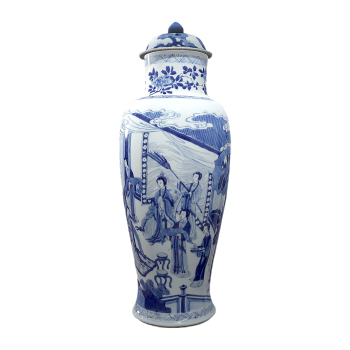
Jingdezhen Blue and White Porcelain Cup-shaped Vase

This Chinese cultural relic is a porcelain vase from the Kangxi period of the Qing Dynasty (1662-1722). The vase process is a transparent colorless blue and white porcelain with cobalt pigment under the glaze, which was fired by Jingdezhen.
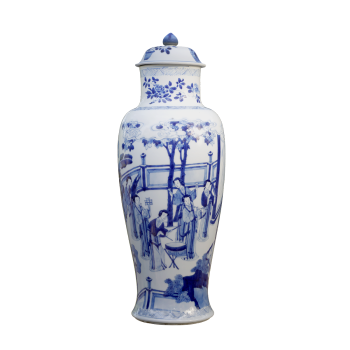
Jingdezhen Blue and White Porcelain Mallet Vase with Lid
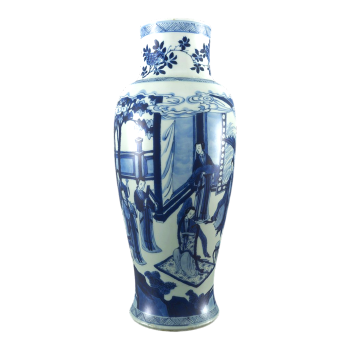
Jingdezhen Blue and White Porcelain Mallet Vase with Lid

This Chinese cultural relic is a porcelain vase from the Kangxi period of the Qing Dynasty (1662-1722). The vase process is a transparent colorless blue and white porcelain with cobalt pigment under the glaze, which was fired by Jingdezhen.
Jingdezhen Blue and White Porcelain Mallet Vase

Jingdezhen Blue and White Porcelain Mallet Vase

This Chinese cultural relic is a porcelain vase from the Kangxi period of the Qing Dynasty (1662-1722). The vase process is a transparent colorless blue and white porcelain with cobalt pigment under the glaze, which was fired by Jingdezhen.
18th Century Chinese Cloisonne Vase

18th Century Chinese Cloisonne Vase

Cloisonne, also known as cloisonne enamel, is a traditional Chinese metal handicraft. It originated in the Ming Dynasty and reached its peak in the Qing Dynasty. Cloisonne products are usually bright colors, exquisite patterns, common themes are flowers, birds, auspicious patterns and so on. It is not only practical, but also has a high artistic value, known as the "mother of porcelain".
Kikaradi Ceramic Vase

Kikaradi Ceramic Vase

The replica of the Cycladic ceramic vase is a modern representation of ceramic art from the ancient Greek Cycladic civilization. The Cycladic civilization (around 3200 BC to 2000 BC) meticulously crafted its exquisite marble carvings through modern craftsmanship, aiming to preserve the aesthetic features and craftsmanship of the original works, allowing the public to appreciate these ancient artworks up close. These replicas are not only loved by art enthusiasts as decorations and collectibles, but also used for education and exhibitions to help people understand and learn about the artistic achievements of the Cycladic civilization.
Jingdezhen Baluste Vase (Part 2)

Jingdezhen Baluste Vase (Part 2)

It is one of the five piece decoration set, characterized by the use of cobalt pigment under transparent colorless glaze. Belonging to Jingdezhen style, it is a ceramic container produced in Jingdezhen City, Jiangxi Province, China. The production period was from 1662 to 1722, belonging to the Qing Dynasty. Not only is it a representative of Chinese ceramic craftsmanship, but it also showcases the exquisite craftsmanship and aesthetic style of Jingdezhen porcelain during the Qing Dynasty. Jingdezhen, as the hometown of Chinese porcelain, has been renowned for its exquisite porcelain since ancient times. During the Qing Dynasty, the porcelain craftsmanship of Jingdezhen reached a new height, producing many porcelain pieces with high artistic and historical value.
Jingdezhen Ballust Vase

Jingdezhen Ballust Vase

It is one of the five piece decoration set, characterized by the use of cobalt pigment under transparent colorless glaze. Belonging to Jingdezhen style, it is a ceramic container produced in Jingdezhen City, Jiangxi Province, China. The production period was from 1662 to 1722, belonging to the Qing Dynasty. Not only is it a representative of Chinese ceramic craftsmanship, but it also showcases the exquisite craftsmanship and aesthetic style of Jingdezhen porcelain during the Qing Dynasty. Jingdezhen, as the hometown of Chinese porcelain, has been renowned for its exquisite porcelain since ancient times. During the Qing Dynasty, the porcelain craftsmanship of Jingdezhen reached a new height, producing many porcelain pieces with high artistic and historical value.
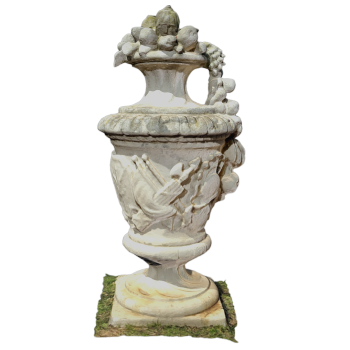
Vienna Belvedere Palace Stone Vase

Vienna Belvedere Palace Stone Vase
This vase is a stone vase located in the garden of the Belvedere Palace in Vienna, featuring two busts and two masks. This decorative stone vase may reflect the artistic style of the Rococo period, during which artworks often contained rich decorative elements and sculptural details. The Belvedere Palace is one of Vienna's iconic buildings, showcasing Austria's rich cultural heritage and history through its gardens and decorative artworks.
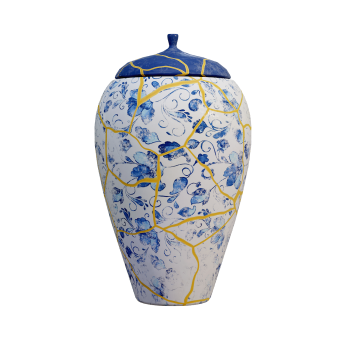
Japanese gold vase

Japanese gold vase

It is a representative of traditional Japanese craftsmanship, which involves re bonding broken ceramic fragments with gold powder or paint to give them new life and beauty. The term 'jinzao' comes from the Japanese word 'jin 継ぎ', meaning 'repair with gold'. This technique is not just about restoration, but also an art form that views fragmentation as a part of life, connecting fragments with gold threads to showcase a unique aesthetic. High quality ceramic materials are usually selected, carefully designed and made, then intentionally broken and repaired. The aesthetic concept of gold vase corresponds to the Japanese culture of "wabi sabi", which appreciates the beauty of imperfection, impermanence, and incompleteness.
Chinese white glazed porcelain vase with colored cracks

Chinese white glazed porcelain vase with colored cracks

It is a molded porcelain drum shaped Chinese porcelain vase with white glaze and colored cracks. The production period is from 1950 to 1960. White glaze and cracked glaze effects are common techniques in porcelain production. White glaze provides a smooth and reflective surface, while cracked glaze is a special decorative technique that creates unique textures and patterns by introducing tiny cracks into the glaze. Not only is it beautiful, but over time, porcelain with cracked glaze will gradually develop its own unique appearance. It is part of the William M. Lindgren Asian Art Collection, preserved in the archives of St. Cloud State University.
Glass enamel decorated Chinese cloisonn é vase
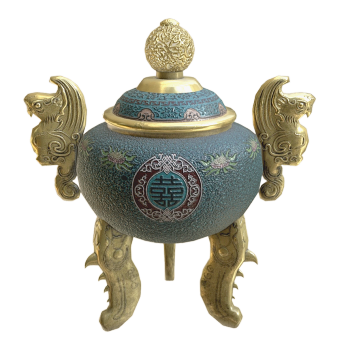
Glass enamel decorated Chinese cloisonn é vase

It is a Chinese cloisonn é vase decorated with glass enamel, belonging to the William M. Lindgren Asian Art Collection and currently housed in the archives of St. Cloud State University. The period is approximately between 1930 and 1950. Cloisonn é craftsmanship is an ancient Chinese metal craft known for its exquisite copper body, enamel glaze, and complex production process. This process usually involves welding fine copper wires onto a copper body to form patterns, then filling these patterns with enamel glaze. After multiple firing and polishing processes, the final product is a colorful and glossy artwork. It is one of China's intangible cultural heritages.
Triangle Double Dragon Wedding Vase

Triangle Double Dragon Wedding Vase

Chinese vases are not only elegant and exquisite in shape, but also highly distinctive in decorative arts. They are usually painted with patterns such as landscapes, flowers, birds, and figures, reflecting the aesthetic taste and painting skills of ancient China. There are many types of glazes and glazes for Chinese vases, from the famous blue and white porcelain of the Ming Dynasty to the celadon glaze of the Song Dynasty. Each color and glaze reveals its era and dynasty. As an important part of ancient Chinese civilization, Chinese vases not only showcase the luxury of ancient Chinese society and the vitality of the Maritime Silk Road, but also witness the development of Chinese porcelain making techniques.
Glazed Sandstone Vase - Savadell Art Museum

Glazed Sandstone Vase - Savadell Art Museum

Created by Catalan artist Francesc Elias Bracons (born in Savodel in 1892 and passed away in Reus in 1991) in the 1950s. Known for its exquisite craftsmanship and sensitivity to color. This work is a handle vase made of glazed sandstone, with colors including green, brown, sky blue, and dark blue. The pot body is round and exquisitely decorated. This artwork has now become a part of the Savadell Art Museum.
Tang colored ceramic vase

Tang colored ceramic vase

Tang colored ceramic vases are a common decoration and artwork made of ceramic materials, which are fired at high temperatures from clay and have a hard, durable, and usually glossy surface. The history of ceramic vases is long, and their origins can be traced back to ancient civilizations such as China, Egypt, and Greece. There are various types of ceramic vases, with different shapes and sizes, ranging from simple cylindrical shapes to complex sculptural forms, with rich colors and patterns. They can be monochrome or multi-color, with surface decorations including hand drawn patterns, stickers, or underglaze colors
Augsburg Gorgeous Silver Vase

Augsburg Gorgeous Silver Vase

A beautifully decorated silver vase from the collection of the Heiligenkreis Abbey Museum. Handmade and hand chased vases are used to hold silk flowers. The silver vase bears the owner's mark of David Weinold, which is DW. The emblem on the vase is the Augsburg coat of arms.
Borgese vase

Borgese vase

The Borgese vase is a giant bell shaped wine vessel carved from Pantelic marble in Athens in the second half of the first century BC. This ancient Greek artwork is renowned for its intricate carvings and grand scale, featuring scenes of the Dionysus ritual, showcasing the ancient Greeks' worship of Dionysus, the god of wine. The Borgese vase was originally used for outdoor garden decoration and was later collected in the Borgese Museum, becoming one of the museum's iconic collections. It is not only an artwork, but also an important physical material for studying ancient Greek sculptures and religious rituals.
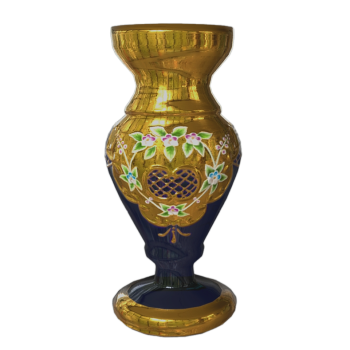
Bohemian Czech Glass Vase

Bohemian Czech Glass Vase

Bohemian Czech glass vases are renowned for their unique craftsmanship and artistic style, representing the traditional Czech glass manufacturing process. The Bohemian region, especially in the northern part of the Czech Republic, has become the center of world glass art due to its abundant silicon mineral resources and exquisite glass blowing techniques. These vases are usually hand blown and have unique colors and shapes. In terms of color, Bohemian glass is known for its deep and rich hues, such as ruby red, cobalt blue, forest green, etc., which often give people a warm and comfortable feeling.
Antique Chinese Vase

Antique Chinese Vase

Chinese vases are outstanding representatives of traditional Chinese craftsmanship, usually made of materials such as ceramics, jade, lacquerware, or metal, with a long history and profound cultural heritage. These vases are not only elegant and exquisite in shape, but also highly distinctive in decorative arts, often depicting patterns such as mountains, waters, flowers, birds, and figures, reflecting the aesthetic taste and painting skills of ancient China. The production skills of antique Chinese vases are exquisite, especially the porcelain of the Ming and Qing dynasties, such as Jingdezhen's blue and white porcelain, pink porcelain, etc., which are famous for their delicate painting, rich colors, and unique shapes.
Antique brass vase

Antique brass vase

Antique brass vases are decorative items with historical value and artistic charm. Brass material, due to its durability and the exquisite craftsmanship of these vases, such as carving, hollowing out, or hammering, demonstrates superb metalworking skills. The design of brass vases may include classical patterns, geometric patterns, or natural elements, reflecting the artistic styles and aesthetic characteristics of different historical periods. The unique luster is highly favored, and over time, the brass surface gradually forms a charming antique bronze color, adding a retro charm.
Anfula vase

Anfula vase

Originating from the pottery containers of ancient Greece and Rome, they are renowned for their unique double ear design and are commonly used for storing and transporting liquids. In Barcelona, the design of this ancient container is reinterpreted by modern artists and designers, creating decorations that have both classical charm and modern aesthetics. The Anfula vase in Barcelona blends the city's rich historical and cultural heritage with modern art styles. These vases are not only displayed as artworks, but also commonly used to decorate spaces, adding beauty and cultural atmosphere to the interior.
1 2 3 4 Next